
ในยุคของการพัฒนาเทคโนโลยีดิจิทัลที่เพิ่มมากขึ้น การปกป้องข้อมูลส่วนบุคคลและข้อมูลทางการเงินของผู้เล่นกลายเป็นปัจจัยที่ขาดไม่ได้เมื่อเข้าร่วมในแพลตฟอร์มออนไลน์ PG168ซึ่งเป็นหนึ่งในเจ้ามือรับแทงชั้นนำได้พยายามสร้างความมั่นใจในความปลอดภัยสูงสุดสำหรับผู้ใช้ผ่านระบบ นโยบายความเป็นส่วนตัว PG168 เข้มงวด. บทความนี้จะแนะนำมาตรการรักษาความปลอดภัยที่ PG168 นำไปใช้เพื่อมอบประสบการณ์ที่ปลอดภัยให้กับผู้เล่น
ข้อมูลเบื้องต้นเกี่ยวกับนโยบายความเป็นส่วนตัว PG168
นโยบายความเป็นส่วนตัวไม่ได้เป็นเพียงส่วนหนึ่งของกฎระเบียบทางกฎหมาย แต่ยังรวมถึงความมุ่งมั่นของ PG168 ที่มีต่อผู้เล่นเกี่ยวกับการปกป้องข้อมูลส่วนบุคคลและธุรกรรมทางการเงิน เมื่อผู้เล่นเข้าร่วมในกิจกรรมการเดิมพัน พวกเขาจะให้ข้อมูลที่ละเอียดอ่อน เช่น ชื่อ หมายเลขโทรศัพท์ ที่อยู่อีเมล และข้อมูลธนาคาร หากข้อมูลนี้รั่วไหล ผลที่ตามมาอาจร้ายแรงมาก ซึ่งนำไปสู่ความเสี่ยงทางการเงินและการละเมิดความเป็นส่วนตัว ดังนั้น, นโยบายความเป็นส่วนตัว เป็นปัจจัยสำคัญอย่างยิ่งในการสร้างความไว้วางใจให้กับผู้เล่น
PG168 มุ่งมั่นที่จะปกป้องข้อมูลส่วนบุคคลของผู้เล่นโดยการใช้มาตรฐานความปลอดภัยชั้นนำของอุตสาหกรรม ข้อมูลทั้งหมดที่รวบรวมจากผู้ใช้จะถูกเข้ารหัสและใช้เพื่อวัตถุประสงค์ทางกฎหมายเท่านั้น นอกจากนี้ บ้านแห่งนี้ยังรับประกันว่าข้อมูลส่วนบุคคลของผู้เล่นจะไม่ถูกแบ่งปันหรือขายให้กับบุคคลที่สาม เว้นแต่จะได้รับความยินยอมอย่างชัดแจ้งจากผู้เล่นหรือการร้องขอจากสิทธิ์ทางกฎหมายที่มีอำนาจ
กฎระเบียบความเป็นส่วนตัวที่ PG168
ความปลอดภัยของข้อมูลเข้าสู่ระบบ
ปัจจัยสำคัญประการหนึ่งในการรักษาความปลอดภัยที่ PG168 คือการปกป้องข้อมูลการเข้าสู่ระบบของผู้เล่น บัญชีผู้ใช้แต่ละบัญชีจะต้องสร้างรหัสผ่านที่รัดกุมโดยมีความยาวและข้อกำหนดอักขระ PG168 ใช้โปรโตคอลความปลอดภัยขั้นสูง เช่น การเข้ารหัส SSL เพื่อให้แน่ใจว่าข้อมูลการเข้าสู่ระบบจะไม่ถูกขโมยหรือเข้าถึงอย่างผิดกฎหมาย นอกจากนี้ ผู้เล่นยังได้รับการแนะนำให้เปลี่ยนรหัสผ่านเป็นระยะเพื่อเพิ่มความปลอดภัย
นโยบายการรักษาความปลอดภัยของบัญชีธนาคาร
ข้อมูลเกี่ยวกับบัญชีธนาคารและธุรกรรมทางการเงินเป็นข้อมูลที่สำคัญอย่างยิ่งสำหรับผู้เล่น PG168 ใช้มาตรการรักษาความปลอดภัยขั้นสูงเพื่อให้แน่ใจว่าข้อมูลทางการเงินของผู้เล่นปลอดภัยอยู่เสมอ การฝากและถอนเงินทั้งหมดได้รับการเข้ารหัสและควบคุมอย่างเข้มงวดเพื่อหลีกเลี่ยงกิจกรรมฉ้อโกง ผู้เล่นจะรู้สึกปลอดภัยเมื่อทำธุรกรรมทางการเงินบนแพลตฟอร์มนี้
นโยบายการปกป้องข้อมูลเมื่อดาวน์โหลดแอปและเล่นเกม
PG168 มีแอปพลิเคชั่นบนมือถือเพื่อให้ผู้เล่นสามารถเข้าร่วมการเดิมพันได้อย่างสะดวก นโยบายความเป็นส่วนตัวยังครอบคลุมถึงมาตรการปกป้องข้อมูลเมื่อดาวน์โหลดแอพและเล่นเกมบนอุปกรณ์มือถือ ข้อมูลทั้งหมดเมื่อเล่นเกมและทำธุรกรรมบนแอปจะถูกเข้ารหัส และช่องโหว่ด้านความปลอดภัยจะได้รับการอัปเดตอยู่เสมอเพื่อให้แน่ใจว่าผู้เล่นจะไม่ถูกโจมตีจากภายนอก
มาตรการรักษาความปลอดภัยเมื่อเล่นที่ PG168
การใช้เทคโนโลยีการเข้ารหัส SSL
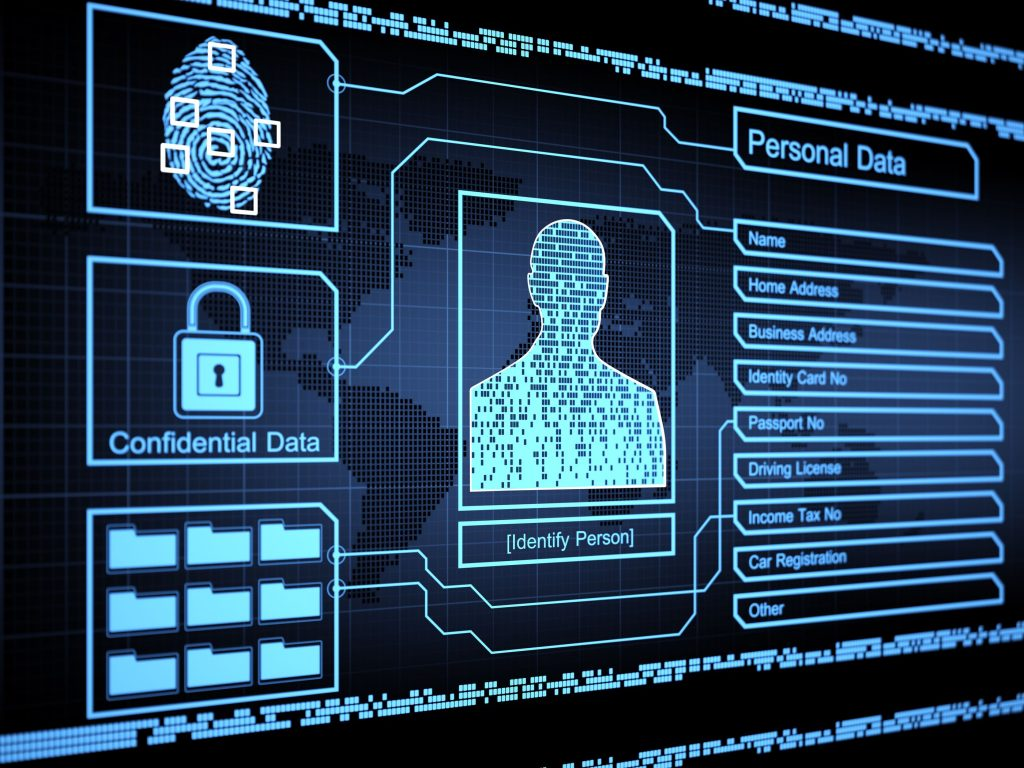
PG168 ใช้เทคโนโลยีการเข้ารหัส SSL (Secure Socket Layer) ที่ทันสมัยที่สุดเพื่อให้แน่ใจว่าข้อมูลส่วนตัวและข้อมูลทางการเงินของผู้เล่นทุกคนเป็นความลับอย่างแน่นอน เทคโนโลยีนี้ช่วยเข้ารหัสข้อมูลที่ส่งระหว่างผู้เล่นและเซิร์ฟเวอร์ ป้องกันการรบกวนจากบุคคลที่สาม สิ่งนี้ทำให้มั่นใจได้ว่าธุรกรรมและข้อมูลส่วนบุคคลใด ๆ จะไม่ถูกขโมยหรือใช้ในทางที่ผิด
การปกป้องธุรกรรมทางการเงินที่ปลอดภัย
สำหรับธุรกรรมทางการเงิน PG168 ใช้โปรโตคอลความปลอดภัยมาตรฐานสากลเพื่อให้แน่ใจว่าธุรกรรมการฝากและถอนเงินทั้งหมดดำเนินไปอย่างปลอดภัย ระบบรักษาความปลอดภัยถูกรวมเข้ากับชั้นการป้องกันขั้นสูง ช่วยในการควบคุมและตรวจจับกิจกรรมที่น่าสงสัย นอกจากนี้ ข้อมูลทั้งหมดที่เกี่ยวข้องกับบัตรธนาคารหรือกระเป๋าเงินอิเล็กทรอนิกส์ของผู้เล่นได้รับการคุ้มครองอย่างเข้มงวด ทำให้มั่นใจได้ว่าไม่มีความเสี่ยงในการเปิดเผย
กฎกติกาเมื่อเข้าร่วมเล่นเกมที่ PG168
เงื่อนไขการใช้งาน
PG168 กำหนดให้ผู้เล่นปฏิบัติตามข้อกำหนดการใช้งานเมื่อเข้าร่วมในแพลตฟอร์ม ซึ่งรวมถึงการไม่แชร์บัญชีส่วนตัว การไม่ใช้ซอฟต์แวร์โกง และไม่กระทำการที่ฝ่าฝืนกฎหมาย ข้อกำหนดการใช้งานเหล่านี้ไม่เพียงแต่ช่วยปกป้องผู้เล่นเท่านั้น แต่ยังช่วยรักษาสภาพแวดล้อมการเดิมพันที่ยุติธรรมและโปร่งใสอีกด้วย
กฎความรับผิดชอบของผู้เล่น
นอกเหนือจากการปกป้องข้อมูลส่วนบุคคลแล้ว PG168 ยังมีข้อบังคับเกี่ยวกับความรับผิดชอบของผู้เล่นในการรักษาความปลอดภัยของบัญชีของตนอีกด้วย ผู้เล่นจำเป็นต้องรักษาข้อมูลการเข้าสู่ระบบของตนและไม่เปิดเผยกับผู้อื่น นอกจากนี้ PG168 ยังสนับสนุนให้ผู้เล่นใช้มาตรการรักษาความปลอดภัย เช่น การตรวจสอบสิทธิ์แบบสองปัจจัย เพื่อเพิ่มความปลอดภัยของบัญชี
กฎระเบียบในการดาวน์โหลดแอปและการใช้ซอฟต์แวร์ของ PG168
เมื่อดาวน์โหลดและติดตั้งแอปพลิเคชั่น PG168 ผู้เล่นจะต้องปฏิบัติตามกฎความปลอดภัยที่กำหนดไว้ แอปพลิเคชั่นนี้ออกแบบมาเพื่อปกป้องผู้เล่นจากมัลแวร์และภัยคุกคามภายนอก PG168 มุ่งมั่นที่จะสร้างความมั่นใจว่าแอปของตนได้รับการปรับปรุงให้ทันสมัยอยู่เสมอด้วยมาตรการรักษาความปลอดภัยล่าสุดเพื่อมอบประสบการณ์ผู้ใช้ที่ปลอดภัยและราบรื่น
สรุป
นโยบายความเป็นส่วนตัว PG168 ไม่เพียงแต่ความมุ่งมั่นต่อผู้เล่นเท่านั้น แต่ยังเป็นรากฐานที่ช่วยให้บ้านหลังนี้กลายเป็นหนึ่งในหน่วยที่น่าเชื่อถือที่สุดในอุตสาหกรรมการเดิมพัน การปกป้องข้อมูลส่วนบุคคลและข้อมูลทางการเงินและการรับรองความโปร่งใสในการทำธุรกรรมคือเป้าหมายสูงสุดของ PG168 ผู้เล่นจะรู้สึกปลอดภัยอย่างสมบูรณ์ในการเข้าร่วมกิจกรรมการเดิมพันที่ PG168 ด้วยระบบรักษาความปลอดภัยที่ทันสมัยและกฎระเบียบที่เข้มงวด เข้าร่วม PG168 วันนี้เพื่อสัมผัสประสบการณ์ไม่เพียงแต่เกมที่หลากหลาย แต่ยังรวมถึงการป้องกันที่ครอบคลุมระหว่างการเข้าร่วมของคุณ!